
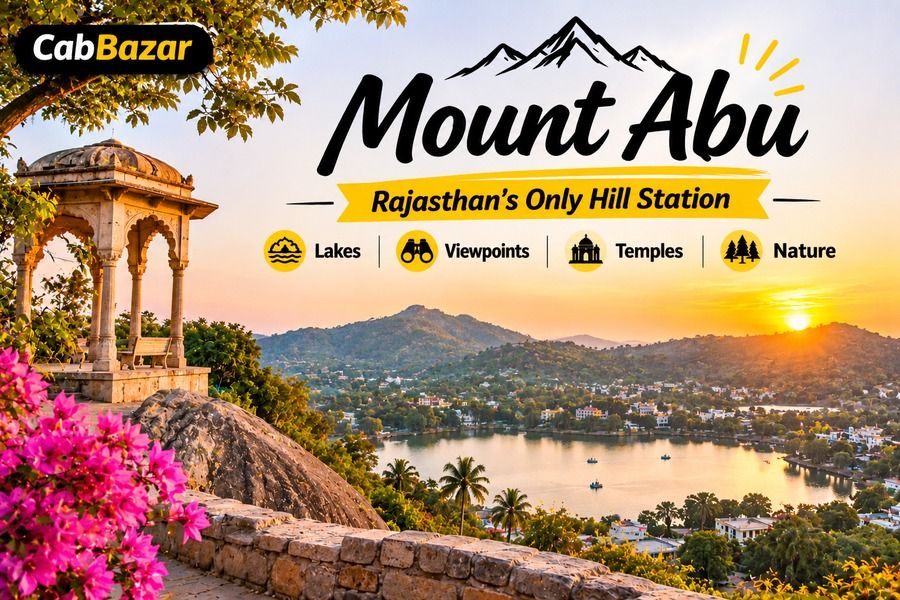
As you think of Rajasthan, you probably think of forts, desert highways and historic cities. However, Mount Abu is somewhat different from this.
It is the only hill station of Rajasthan, located in the Aravalli hills. Its climatic condition is cooler compared to other cities of Rajasthan; hence as you go higher to the hill station, you will observe the change in the landscape of the city. It has lush green nature, rocky hills, temples and a lake with shops and cafes around it.
Mount Abu is not a big town, and you certainly don't need 7 days to explore! 2 days will see you cover pretty much all the main sights. But don't feel like you have to be rushing around, and do make sure you get some good hours at some of the sights where you really need to take your time.
For those visiting the locations, here are a couple of recommendations for your list of destinations, and some other tips and tricks for your planning.
Best Places to Visit in Mount Abu
1. Nakki Lake

Nakki Lake is one of the popular tourist places in Mount Abu. Nakki Lake is the perfect place to start your trip.
Behind the lake are rolling hills and rocky crags. You can hire a boat, stroll along the water's edge or just sit and watch the scene. It's a popular spot with locals who are out on a walk in the early evening.
Additionally, there are a couple of small shops and some food stalls. So if you want to take your trip easy, then leave some time to visit this part of the park. Take a boat tour around the lake and walk in the direction of Toad Rock.
2. Dilwara Jain Temples

It is regarded as one of the pilgrimage sites of Mount Abu. Absolutely, it is a 16th-century grand temple structure created with white marble & lead, with top-most works & radiant carving.
The exterior of the temple grounds is rather dull, but it is what is located inside that counts. Enter the temple, and you are greeted by the stunning beauty of the marble pillars, intricate ceilings and engraved walls. Take a closer look at the detailed design, and you will understand why these temples are renowned.
Enter the stunning temple complex, which comprises five Jain temples dating from the 11th to 13th centuries, and one of the finest Jain temples in India. Just keep in mind that photography and mobile phones are prohibited in the temples. Check the opening hours of the temples before your visit.
3. Guru Shikhar
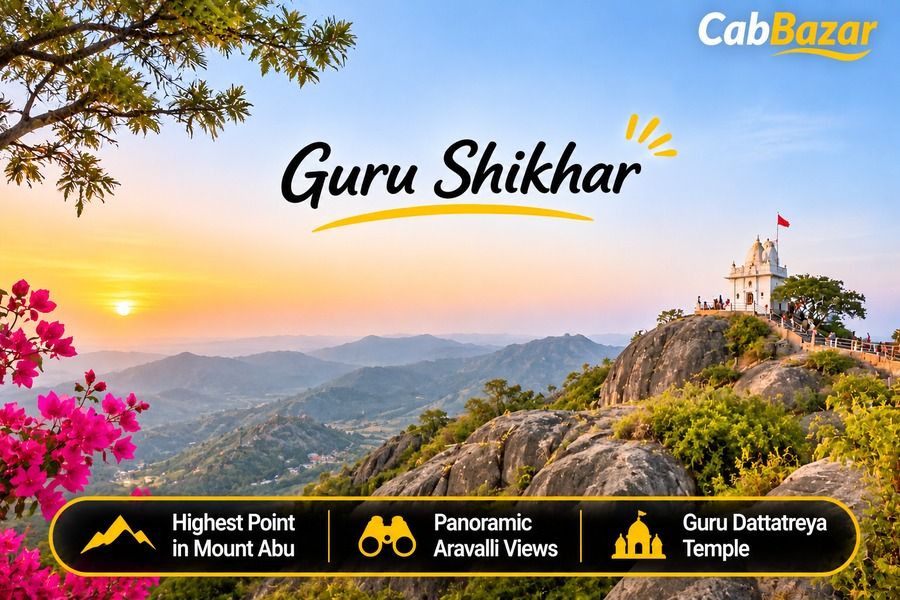
Want a bird's-eye view of Mount Abu? Continue to Guru Shikhar. This is the highest peak of the Aravalli at 1,722 metres. As you ascend on a serpentine mountain road, the views unfold as you rise.
Once you arrive at the parking, you will have to walk up some stairs to get to the temple, which is called Guru Dattatreya Temple. This walk is up the hill but totally worth it for the views!
A morning trip may be the best time to go. The water visibility is generally better, and you get to enjoy the scenery before the crowds set in.
4. Toad Rock
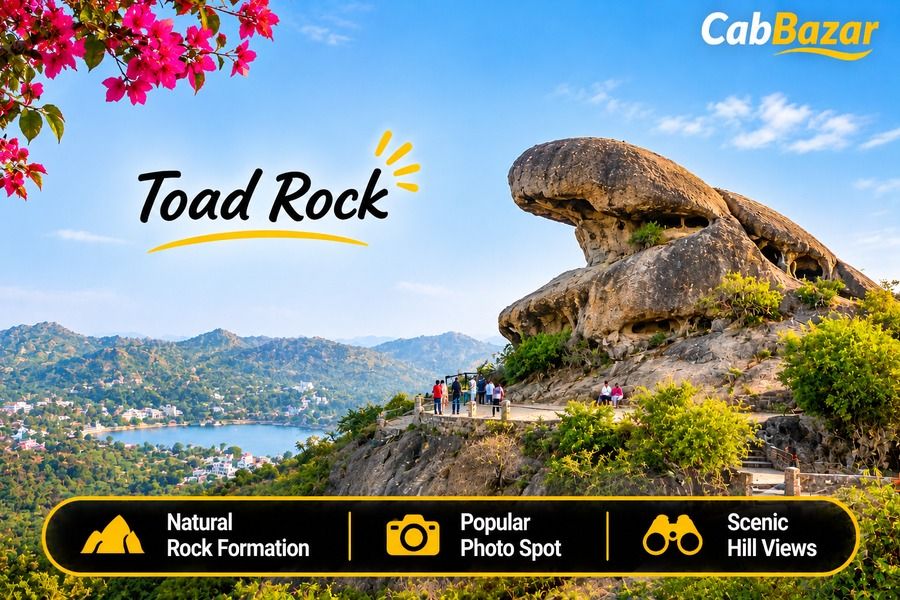
Toad Rock is a natural rock, which looks similar like a Toad of a toad sitting on a rock. It is situated close to Nakki Lake and is one of the most beautiful photography spots in Mount Abu.
It is quite an uphill walk to the viewpoint. The vistas from the top are truly beautiful over the lake and the hills.
No need to make a special visit just to see it. While you make a round around Nakki Lake, you can walk across Toad Rock. Carry shoes with good grip as you'll need to walk on rough terrain.
5. Achalgarh Fort
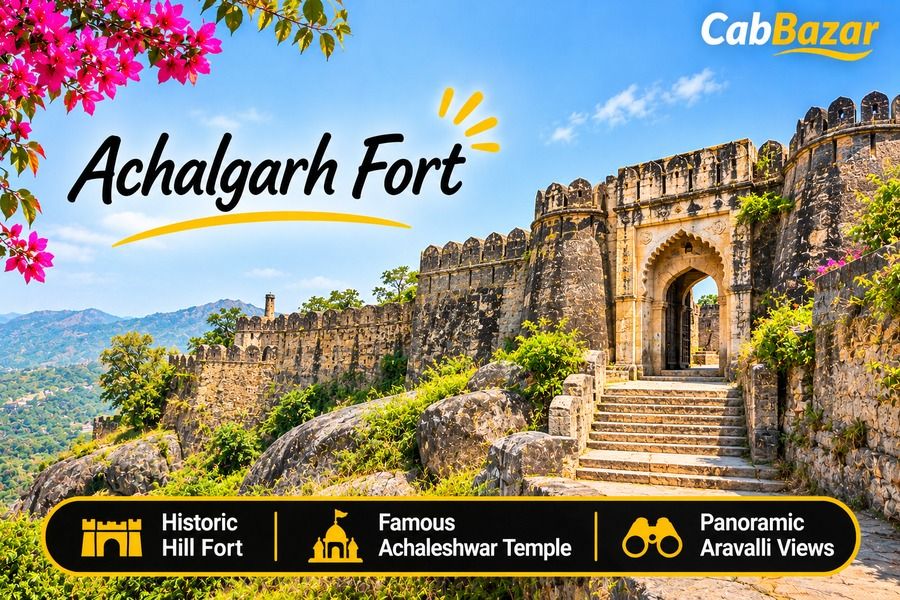
You must visit the Achalgarh Fort. The fort was built by the Paramara rulers and was rebuilt in 1452 AD by Maharana Kumbha. Although some parts are still in ruins, the fort's surrounding hills make it a must-visit destination.
Don't expect a completely restored palace with huge regal chambers and exhibits. This is simply a place to visit historic ruins and take in the views.
Achaleshwar Mahadev Temple is nearby, so you can visit both places together.
6. Achaleshwar Mahadev Temple
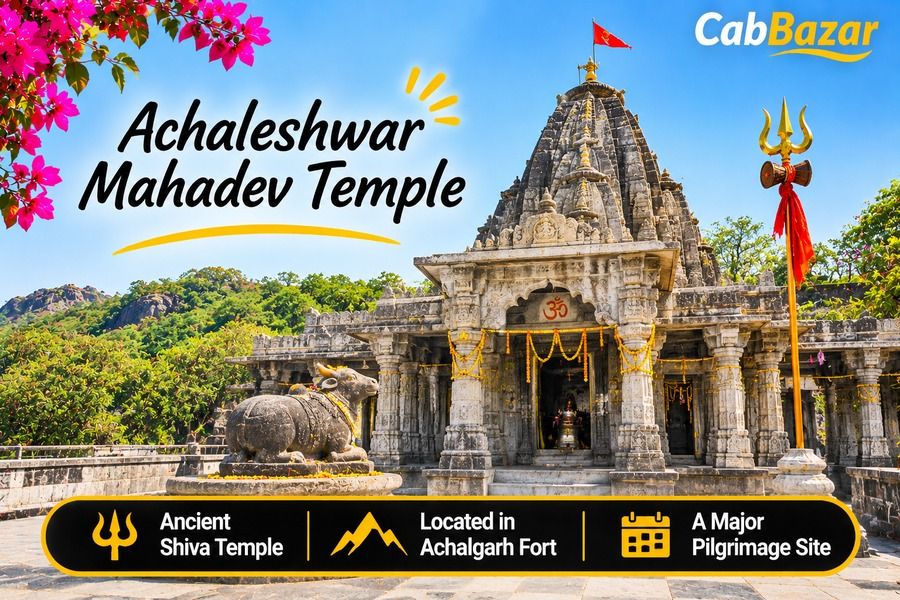
This temple is near Achalgarh Fort and is dedicated to Lord Shiva.
The temple is the most famous religious centre of the region. There are many local legends and stories associated with the temple; the legend of a footprint of Lord Shiva is also here.
You'll be coming from Achalgarh so don't leave it to go past if you're already there. Take a little while, look around the temple while you're at it. Just follow local customs at the temple.
7. Mount Abu Wildlife Sanctuary

Mount Abu has more than just temples and viewpoints. The forest area around Mount Abu is also worth a visit.
Mount Abu Wildlife Sanctuary is part of a vast stretch of desert in the entire length of the Aravallis. It is believed to be home to a handful of animal and bird varieties, including the leopard, the hyena and the pangolin.
You may not even spot any animals during a quick detour, and that's all right. You can always gaze upon the scenic beauty of the woods. If you're visiting as a birdwatcher or for any kind of nature visit, please confirm visiting arrangements and access rules before you travel.
8. Trevor's Tank

Trevor's Tank is a small waterbody that is surrounded by a forest. Compared to the bustling vicinity of the Nakki Lake, it is a much calmer spot.
This is a bird-watching and crocodile viewing highlight. If you're outdoorsy, this stop is going to be right up your alley.
Take water, don't pollute and don't get near the animals. Adhere to local guidance on where visitors are permitted to go. It is worth adding if you have spare time at the end of your Mount Abu sightseeing.
9. Peace Park
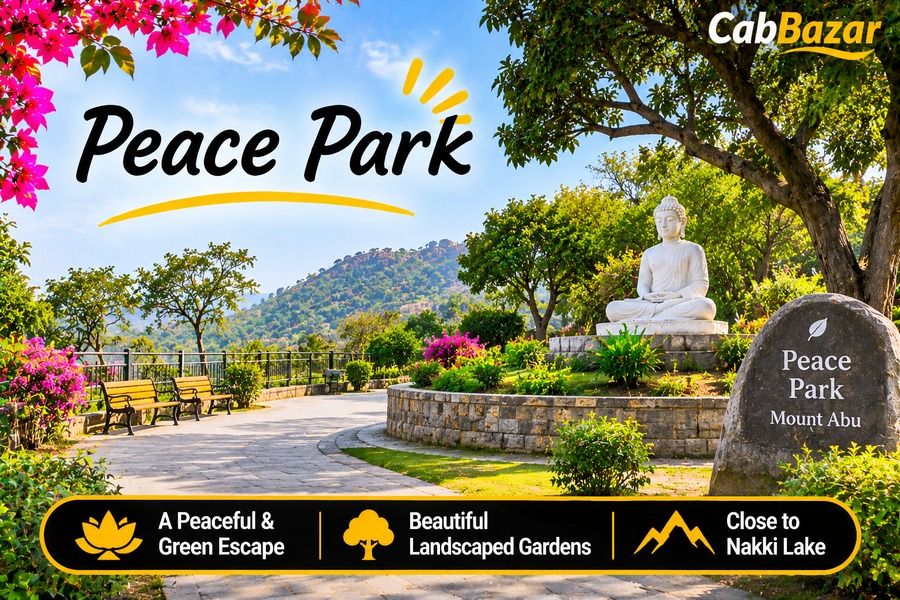
Your trip doesn't have to include all tourist stops. Sometimes you just need to relax in the middle of nowhere. It is situated on the Guru Shikhar and Achalgarh side of Mount Abu, so you can add it during your tour of Mount Abu.
The park is maintained by the Brahma Kumaris and is famed for its lush greenery and tranquil environment. Here, tourists enjoy walks in the grounds, with areas to relax and sit quietly.
10. Arbuda Devi Temple
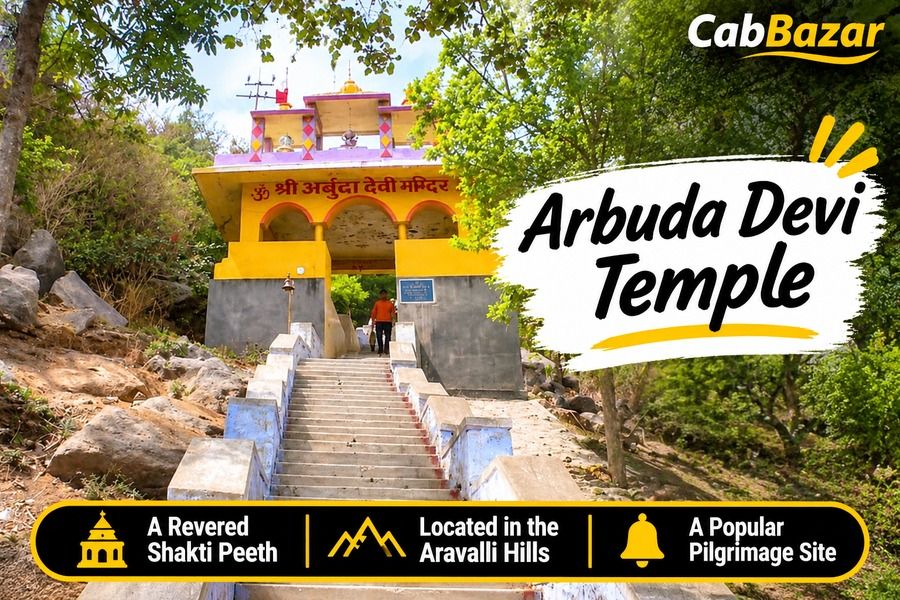
Another famous religious spot in Mount Abu is Arbuda Devi Temple. This temple stands out for its setting within a cave, attracting devotees from far away.
To reach the temple, visitors need to climb the staircase going through the mountain. Going up the stairs at noon can be a little bit difficult due to the sun, so you should plan your visit to go early in the morning.
Navratri is an auspicious time when many pilgrims visit the temple in large numbers. If you are in the city to enjoy the Navratri festival, then anticipate crowds.
Good Time to Visit Mount Abu
Mount Abu has a slightly different climate from most of Rajasthan. Summers are comparatively more comfortable, monsoon brings greenery to the hills, and winters can get quite cold.
Here's what you can expect during different months.
| Season | Months | What the weather is like |
|---|---|---|
| Summer | March to June | Pleasant mornings and evenings, warmer afternoons |
| Monsoon | July to September | Green surroundings, rain and mist |
| Winter | October to February | Cool days and cold mornings and nights |
Best Month to Visit Mount Abu
For sightseeing, October to March is generally a good time to visit Mount Abu.
If you'd like to visit temples, viewpoints and the local market, November and February are the most ideal months.
December and January are the coldest months. Winter lovers will be happy during this season, so bring some warm clothes!
The monsoons are something else. The hill stations get greener and the scenery looks spectacular after the rains. But the rains can put paid to all your plans, so keep all your plans flexible.
Mount Abu and Nearby Places to Visit
If you have more than two days, you can explore a few destinations around Mount Abu. Some are close by, while others need a longer drive.
Abu Road
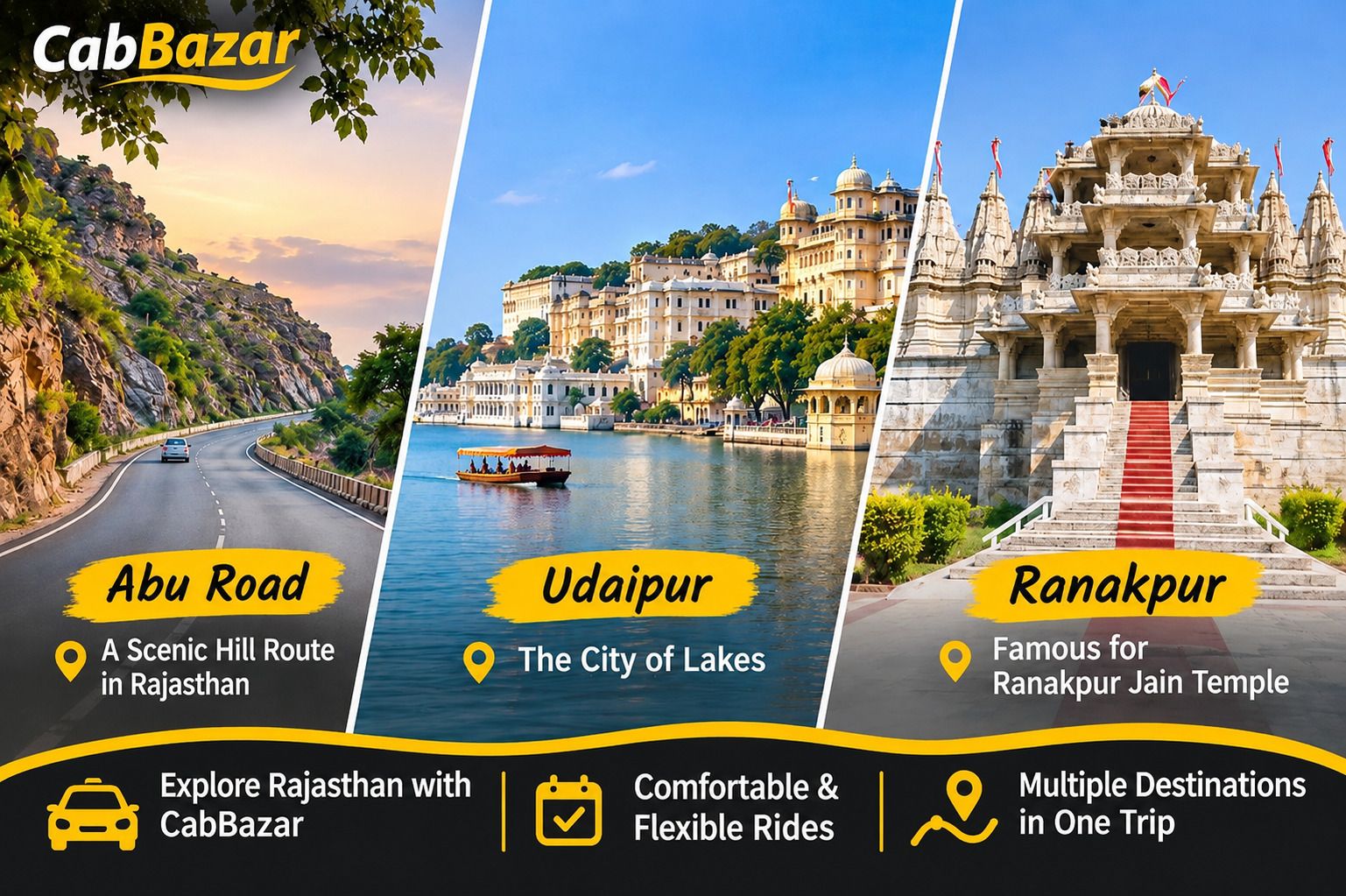
Abu Road is situated at the foothills of Mount Abu. It is primarily the railway link for tourists visiting the hill station.
For those coming by train, you will probably have to stop at Abu Road and then proceed to Mount Abu by taxi or other means.
Udaipur
Udaipur is about 160 km from Mount Abu by road. It's known for its lakes, palaces and old city streets.
You may also want to see City Palace, Lake Pichola, Jagdish Temple and Saheliyon Ki Bari. For a couple of weeks' Rajasthan holiday, Udaipur and Mount Abu make a good holiday combo.
I wouldn't recommend squeezing both into a rushed two-day trip, though. You'll spend too much time travelling.
Ranakpur
Ranakpur is home to Jain temples and elaborate marble carvings. The temple is known for its intricately carved stone pillars.
Consider if you are heading to Udaipur and can spare another day. Verify the route and temple timings before planning.
A Simple 2-Day Mount Abu Sightseeing Plan
If this is your first visit, you can cover most of the popular attractions in two days. The trick is to group nearby places instead of travelling back and forth.
| Day | Places to visit |
|---|---|
| Day 1 | Dilwara Jain Temples, Nakki Lake, Toad Rock, Arbuda Devi Temple and local market |
| Day 2 | Guru Shikhar, Peace Park, Achalgarh Fort, Achaleshwar Mahadev Temple and Trevor's Tank |
You can change the order depending on where you're staying and the opening hours of the attractions.
If you prefer a slower holiday, leave out one or two stops. There's no need to turn your vacation into a checklist.
Mount Abu Local Sightseeing Package: What Should You Include?

If you're travelling with family or don't want to drive around unfamiliar hill roads, booking a local cab can make sightseeing easier.
A full-day local sightseeing plan can include:
- Dilwara Jain Temples
- Guru Shikhar
- Nakki Lake and Toad Rock
- Achalgarh Fort
- Achaleshwar Mahadev Temple
- Trevor's Tank
- Peace Park
Not every package will cover all these places. Some attractions may also have different visiting hours.
Before booking, ask the operator about the total duration, vehicle type, waiting time and any extra parking charges. It is better to confirm these details beforehand rather than discuss them during the trip.
How to Reach Mount Abu
Mount Abu is connected by road and rail. The final stretch of the journey takes you uphill through the Aravalli Range.
By train: Abu Road is the nearest major railway station, around 28 km from Mount Abu. Trains connect it with several major cities. From the station, you can hire a taxi or arrange local transport.
By air: Mount Abu does not have its own airport. Udaipur's Maharana Pratap Airport is one of the commonly used airport options. From there, you'll need to continue by road.
By road: You can reach Mount Abu from Udaipur, Ahmedabad, Jaipur and other nearby cities by bus, car or cab. The road journey is quite scenic as you approach the hill station.
If you're coming from Delhi, keep enough time for the drive. It is a fairly long journey, so an early departure helps.
A Few Things to Know Before Visiting Mount Abu
A little planning can make your trip much easier.
- Carry warm clothes: Even if you're visiting in summer, evenings can feel cool. Winters are noticeably colder.
- Start early: Guru Shikhar and other popular attractions are better visited earlier in the day.
- Wear comfortable shoes: Some places involve walking uphill or climbing steps.
- Check temple timings: Especially for Dilwara Jain Temples and other religious sites.
- Expect crowds on weekends: Nakki Lake and the main market can get busy during holidays.
- Keep some cash: It can be useful at smaller shops and local stalls.
- Check the weather: Monsoon rain can affect outdoor sightseeing.
Frequently Asked Questions About Mount Abu
1. What are the best places to visit in Mount Abu?
Nakki Lake, Dilwara Jain Temples, Guru Shikhar, Toad Rock, Achalgarh Fort, Trevor's Tank and Mount Abu Wildlife Sanctuary are among the popular attractions.
2. How many days are enough for Mount Abu?
Two days are enough to visit most of the main attractions. If you want to explore nearby places such as Udaipur or Ranakpur, plan additional time.
3. Which is the best month to visit Mount Abu?
October to March is a comfortable period for sightseeing. December and January are good for travellers who enjoy colder weather.
4. Is Mount Abu worth visiting in summer?
Yes. Mount Abu is the only hill station in Rajasthan and offers a relatively cooler break from the summer heat in nearby cities.
5. Is Mount Abu good for couples?
Yes. Couples can enjoy a boat ride at Nakki Lake, visit viewpoints, explore local cafés and spend a relaxed evening around the town.
6. What is Mount Abu famous for?
Mount Abu is known for Nakki Lake, Dilwara Jain Temples, Guru Shikhar, its hill landscapes and the surrounding wildlife sanctuary.
7. Can Mount Abu be covered in one day?
You can visit a few major attractions in one day, but it will be a busy schedule. Two days are better if you want to explore comfortably.
8. Which railway station is nearest to Mount Abu?
Abu Road Railway Station is the nearest major railway station, around 28 km from the hill station.
9. Are Dilwara Jain Temples open to tourists?
Yes, visitors can enter during designated visiting hours. Photography and mobile phone use are restricted inside the temple complex. Check the latest visitor rules before going.
10. Which places can I visit near Mount Abu?
Abu Road is close to Mount Abu. Udaipur and Ranakpur are also worth considering if you have additional time for a longer road trip.
Plan Your Mount Abu Trip
Mount Abu is a nice change from the usual Rajasthan holiday. You can spend the morning visiting temples, take a drive through the hills and end the evening near Nakki Lake.
Two days are enough for a good introduction to the town. Just don't try to fit every attraction into the same day.
If you're planning local sightseeing, arrange your transport according to the places you want to cover. A private cab can be useful when travelling with family or when you want to visit attractions outside the main town.
You can explore CabBazar's cab options for your Mount Abu journey and plan your local travel before leaving.