
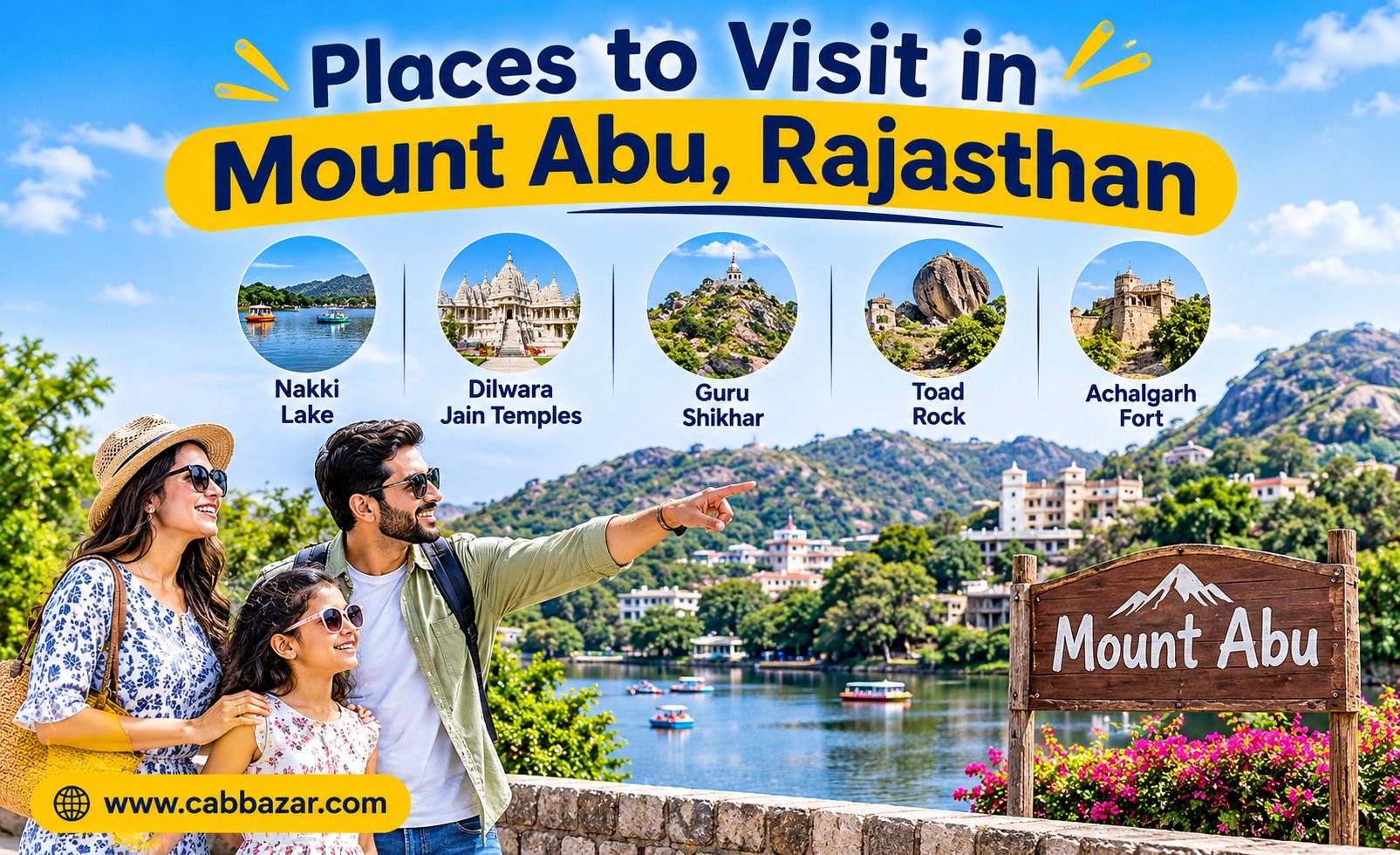
When people think of Rajasthan, they usually imagine forts, desert roads and cities full of history. Mount Abu is a little different.
It is the only hill station of Rajasthan, situated in the Aravalli hills. Its temperature is cooler than the rest of the cities in Rajasthan, and you will notice that the landscape changes as you ascend towards the hill station. It has greenery, rocky hills, temples and a lake with surrounding shops and cafes.
Mount Abu isn't a huge city, and you certainly don't need 7 days to see everything. 2 days will see you cover most of the main attractions. But don't rush around and make sure you get a good few hours at some attractions that you just need to take your time.
If you are planning a trip to the sites here are some places worth adding to your travel itinerary and some tips and tricks to help you plan your journey.
Best Places to Visit in Mount Abu
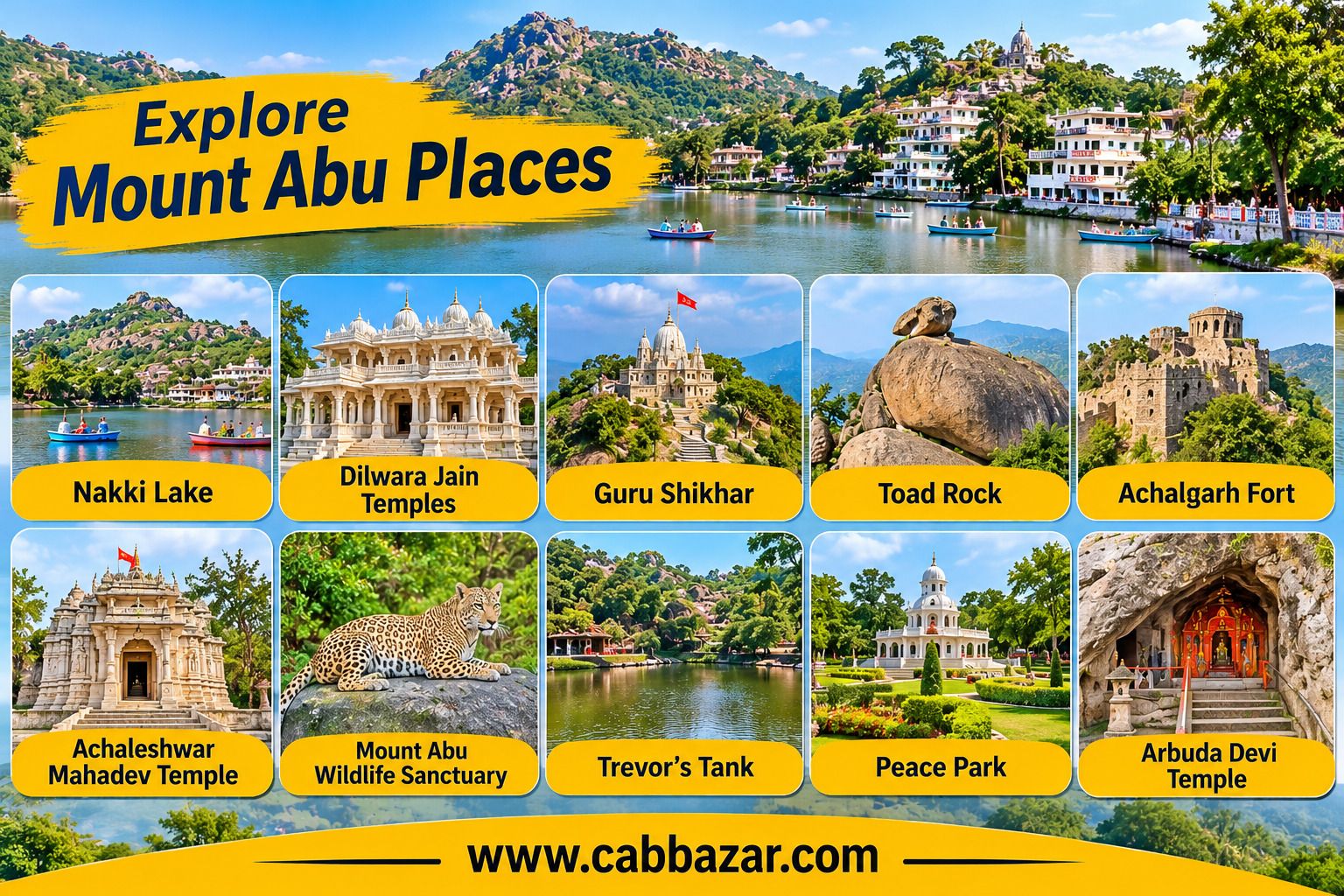
1. Nakki Lake
Nakki Lake is where most tourists are forced to hang around and is one of the most popular tourist places in Mount Abu. Nakki Lake is a good starting point to get your trip underway.
The lake is set against hills and rocky outcrops. You can hire a boat, stroll along the lakeside or have a seat and take in the scenery. Later in the day, the place is busy with people out for an evening stroll.
There are a number of small shops and food stalls also. So, if you don't want to be running around from one attraction to the next, keep some time for this part of the park. A boat tour on the lake and a walk in the direction of Toad Rock.
2. Dilwara Jain Temples
It is one of the major sites to visit while exploring Mount Abu. It is really a 16th-century eye-catching temple group, made of white marble with unmatched architectural precision and intricate carving.
From outside, the temple complex looks fairly simple. The real detail is inside. The marble ceilings, pillars and carved walls have incredibly fine workmanship. Take a closer look at the designs, and you'll understand why these temples are so well known.
The complex includes five temples built between the 11th and 13th centuries. It is one of the most important examples of Jain temple architecture in India.
Keep in mind that photography and mobile phone use are restricted inside. Check the visitor timings before you go.
3. Guru Shikhar
Want to see Mount Abu from above? Head towards Guru Shikhar.
At around 1,722 metres, it is the highest peak in the Aravalli Range. The drive takes you through winding mountain roads, and the views become more open as you climb.
After reaching the parking area, you'll need to walk up a flight of steps to reach the Guru Dattatreya Temple. It can get tiring, but the views from the top make the climb worthwhile.
Try going in the morning. Visibility is often better, and you can enjoy the surroundings before the area gets crowded.
4. Toad Rock
Toad Rock is a naturally formed rock that looks a bit like a toad sitting on a stone. It's close to Nakki Lake and is one of the popular photography spots in Mount Abu.
There's a short climb to reach the viewpoint. From up there, you get a lovely view of the lake and the surrounding hills.
You don't need to plan a separate trip for it. Visit Toad Rock when you're already exploring Nakki Lake. Just wear comfortable shoes because some sections can be rocky.
5. Achalgarh Fort
If you enjoy exploring old forts, make some time for Achalgarh.
The fort was originally built by the Paramara rulers and later renovated by Maharana Kumbha in 1452. Today, parts of it are in ruins, but the location and surrounding hills make it an interesting place to visit.
Don't expect a perfectly restored palace with grand rooms and displays. This is more of a historical stop where you can explore the old structures and enjoy the views.
Achaleshwar Mahadev Temple is nearby, so you can visit both places together.
6. Achaleshwar Mahadev Temple
This temple is located close to Achalgarh Fort and is dedicated to Lord Shiva.
It is an important religious site in the region. Local beliefs and stories are associated with the temple, including the belief that a footprint of Lord Shiva is present here.
If you're already visiting Achalgarh, there's no reason to skip it. Spend some time exploring the temple and its surroundings. Remember to follow the local customs while visiting.
7. Mount Abu Wildlife Sanctuary
Mount Abu has more to offer than temples and viewpoints. The surrounding forest is also worth exploring.
Mount Abu Wildlife Sanctuary covers a large area of the Aravalli landscape. It is home to several species of animals and birds, including leopards, striped hyenas, Indian foxes and pangolins.
You may not spot wildlife during a short visit, and that's perfectly normal. The forest landscape itself is a reason to explore this area.
If you're interested in birdwatching or nature, check the current visitor arrangements and access rules before going.
8. Trevor's Tank
Trevor's Tank is a small water body surrounded by forest. It is a quieter place compared with the busy areas around Nakki Lake.
The area is known for birdwatching and is also associated with crocodile sightings. If you enjoy spending time outdoors, you may like this stop.
Carry water, avoid littering and don't approach the animals. Follow the local instructions about where visitors are allowed to go.
It's a good place to include if you have some extra time during your Mount Abu sightseeing trip.
9. Peace Park
Not every stop on your trip needs to be a famous tourist attraction. Sometimes it's nice to visit a quiet place and take a break from sightseeing.
Peace Park, maintained by the Brahma Kumaris, is known for its gardens and peaceful surroundings. You can walk around, spend some time in the green spaces or simply sit quietly.
It is located around the Guru Shikhar and Achalgarh side of Mount Abu, so you can include it while exploring that area.
10. Arbuda Devi Temple
Arbuda Devi Temple is another well-known religious place in Mount Abu. What makes it different is its location inside a cave.
Visitors have to climb a flight of steps to reach the temple. The climb can be tiring, especially during the afternoon, so try visiting early in the day.
The temple is particularly important during Navratri, when devotees visit in large numbers. If you're travelling during the festival, expect more crowds.
Good Time to Visit Mount Abu
Mount Abu has a slightly different climate from most of Rajasthan. Summers are comparatively more comfortable, monsoon brings greenery to the hills, and winters can get quite cold.
Here's what you can expect during different months.
| Season | Months | What the Weather Is Like |
|---|---|---|
| Summer | March to June | Pleasant mornings and evenings, with warmer afternoons. |
| Monsoon | July to September | Green surroundings, rain and mist. |
| Winter | October to February | Cool days and cold mornings and nights. |
Best Month to Visit Mount Abu
For sightseeing, October to March is generally a good time to visit Mount Abu.
November and February are particularly comfortable months if you want to explore temples, viewpoints and the local market without dealing with too much heat.
December and January are colder. If you enjoy winter weather, you'll probably like this time, but don't forget to pack warm clothes.
Monsoon is a different experience altogether. The hills turn greener, and the surroundings look beautiful after rainfall. However, rain can affect outdoor plans, so keep your schedule flexible.
Mount Abu and Nearby Places to Visit
If you have more than two days, you can explore a few destinations around Mount Abu. Some are close by, while others need a longer drive.
Abu Road
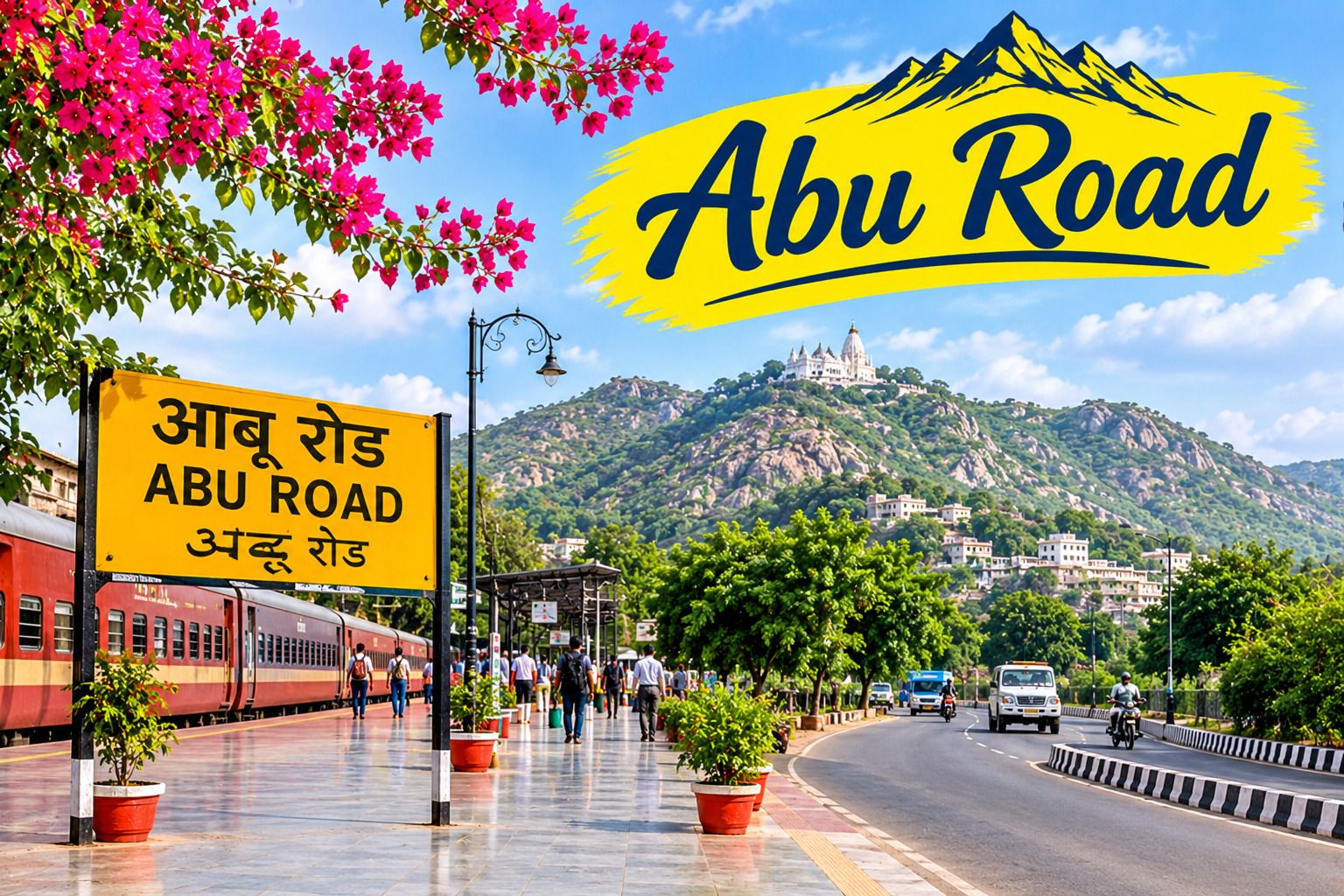
Abu Road is located at the foothills of Mount Abu. It is mainly known as the railway connection for travellers visiting the hill station.
If you're arriving by train, you'll most likely get down at Abu Road and continue towards Mount Abu by taxi or other local transport.
Udaipur

Udaipur is around 160 km from Mount Abu by road. It's known for its lakes, palaces and old city streets.
You can visit City Palace, Lake Pichola, Jagdish Temple and Saheliyon Ki Bari. If you're planning a longer Rajasthan holiday, combining Udaipur and Mount Abu can be a good idea.
I wouldn't recommend squeezing both into a rushed two-day trip, though. You'll spend too much time travelling.
Ranakpur
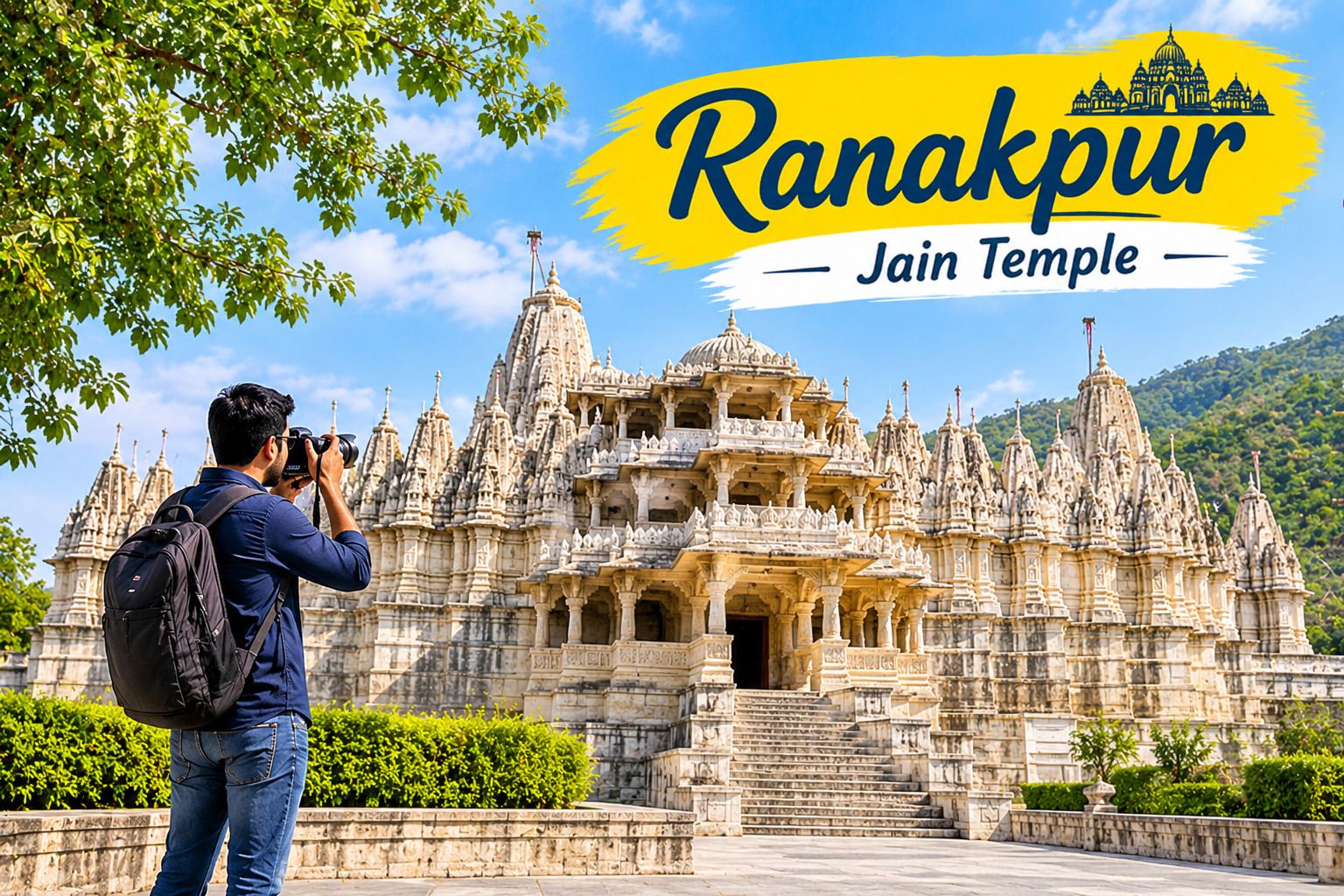
Ranakpur is known for its Jain temples and detailed marble architecture. The main temple is famous for its beautifully carved pillars and impressive stonework.
It's worth considering if you're travelling towards Udaipur and have an additional day. Check the route and temple visiting hours before making the plan.
A Simple 2-Day Mount Abu Sightseeing Plan
If this is your first visit, you can cover most of the popular attractions in two days. The trick is to group nearby places instead of travelling back and forth.
| Day | Places to Visit |
|---|---|
| Day 1 | Dilwara Jain Temples, Nakki Lake, Toad Rock, Arbuda Devi Temple and the local market. |
| Day 2 | Guru Shikhar, Peace Park, Achalgarh Fort, Achaleshwar Mahadev Temple and Trevor's Tank. |
You can change the order depending on where you're staying and the opening hours of the attractions.
If you prefer a slower holiday, leave out one or two stops. There's no need to turn your vacation into a checklist.
Mount Abu Local Sightseeing Package: What Should You Include?
If you're travelling with family or don't want to drive around unfamiliar hill roads, booking a local cab can make sightseeing easier.
A full-day local sightseeing plan can include:
- Dilwara Jain Temples
- Guru Shikhar
- Nakki Lake and Toad Rock
- Achalgarh Fort
- Achaleshwar Mahadev Temple
- Trevor's Tank
- Peace Park
Not every package will cover all these places. Some attractions may also have different visiting hours.
Before booking, ask the operator about the total duration, vehicle type, waiting time and any extra parking charges. It is better to confirm these details beforehand rather than discuss them during the trip.
How to Reach Mount Abu
Mount Abu is connected by road and rail. The final stretch of the journey takes you uphill through the Aravalli Range.
By train: Abu Road is the nearest major railway station, around 28 km from Mount Abu. Trains connect it with several major cities. From the station, you can hire a taxi or arrange local transport.
By air: Mount Abu does not have its own airport. Udaipur's Maharana Pratap Airport is one of the commonly used airport options. From there, you'll need to continue by road.
By road: You can reach Mount Abu from Udaipur, Ahmedabad, Jaipur and other nearby cities by bus, car or cab. The road journey is quite scenic as you approach the hill station.
If you're coming from Delhi, keep enough time for the drive. It is a fairly long journey, so an early departure helps.
A Few Things to Know Before Visiting Mount Abu
A little planning can make your trip much easier.
- Carry warm clothes: Even if you're visiting in summer, evenings can feel cool. Winters are noticeably colder.
- Start early: Guru Shikhar and other popular attractions are better visited earlier in the day.
- Wear comfortable shoes: Some places involve walking uphill or climbing steps.
- Check temple timings: Especially for Dilwara Jain Temples and other religious sites.
- Expect crowds on weekends: Nakki Lake and the main market can get busy during holidays.
- Keep some cash: It can be useful at smaller shops and local stalls.
- Check the weather: Monsoon rain can affect outdoor sightseeing.
Frequently Asked Questions About Mount Abu
1. What are the best places to visit in Mount Abu?
Nakki Lake, Dilwara Jain Temples, Guru Shikhar, Toad Rock, Achalgarh Fort, Trevor's Tank and Mount Abu Wildlife Sanctuary are among the popular attractions.
2. How many days are enough for Mount Abu?
Two days are enough to visit most of the main attractions. If you want to explore nearby places such as Udaipur or Ranakpur, plan additional time.
3. Which is the best month to visit Mount Abu?
October to March is a comfortable period for sightseeing. December and January are good for travellers who enjoy colder weather.
4. Is Mount Abu worth visiting in summer?
Yes. Mount Abu is the only hill station in Rajasthan and offers a relatively cooler break from the summer heat in nearby cities.
5. Is Mount Abu good for couples?
Yes. Couples can enjoy a boat ride at Nakki Lake, visit viewpoints, explore local cafés and spend a relaxed evening around the town.
6. What is Mount Abu famous for?
Mount Abu is known for Nakki Lake, Dilwara Jain Temples, Guru Shikhar, its hill landscapes and the surrounding wildlife sanctuary.
7. Can Mount Abu be covered in one day?
You can visit a few major attractions in one day, but it will be a busy schedule. Two days are better if you want to explore comfortably.
8. Which railway station is nearest to Mount Abu?
Abu Road Railway Station is the nearest major railway station, around 28 km from the hill station.
9. Are Dilwara Jain Temples open to tourists?
Yes, visitors can enter during designated visiting hours. Photography and mobile phone use are restricted inside the temple complex. Check the latest visitor rules before going.
10. Which places can I visit near Mount Abu?
Abu Road is close to Mount Abu. Udaipur and Ranakpur are also worth considering if you have additional time for a longer road trip.
Plan Your Mount Abu Trip
Mount Abu is a nice change from the usual Rajasthan holiday. You can spend the morning visiting temples, take a drive through the hills and end the evening near Nakki Lake.
Two days are enough for a good introduction to the town. Just don't try to fit every attraction into the same day.
If you're planning local sightseeing, arrange your transport according to the places you want to cover. A private cab can be useful when travelling with family or when you want to visit attractions outside the main town.
You can explore CabBazar's cab options for your Mount Abu journey and plan your local travel before leaving.